Camping Golf Carts — Off-Road & Trail-Ready Carts for Every Campground

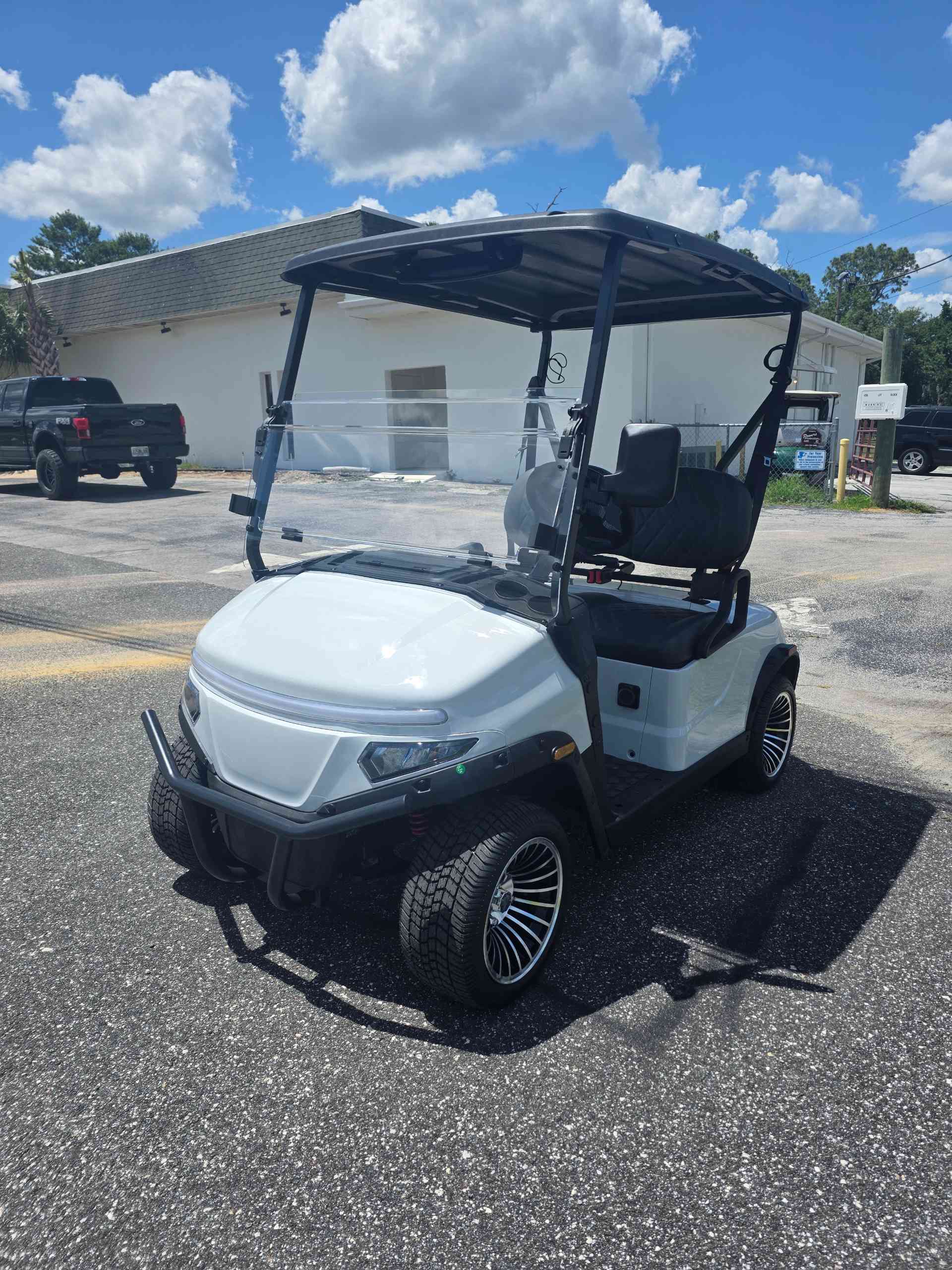
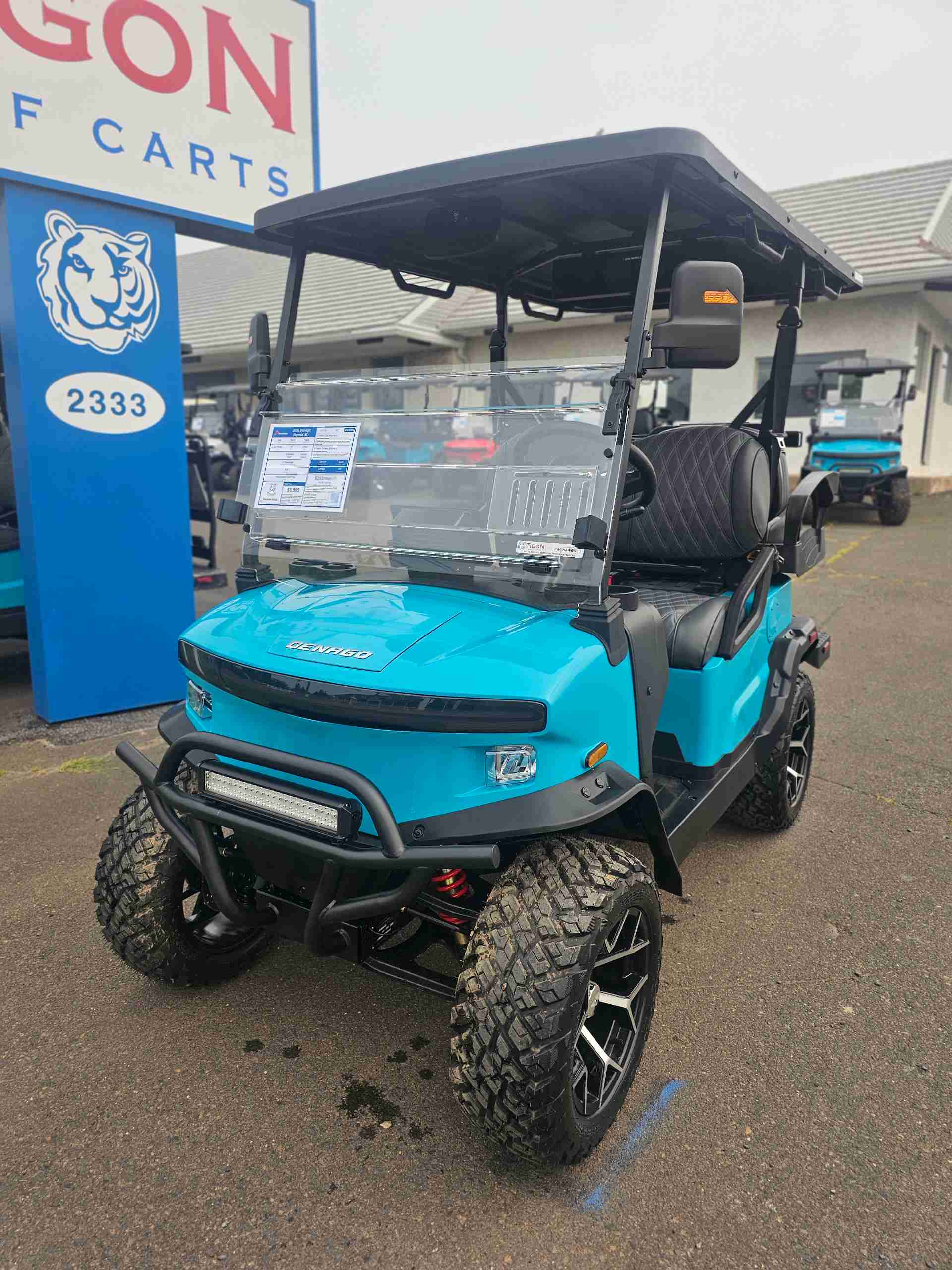
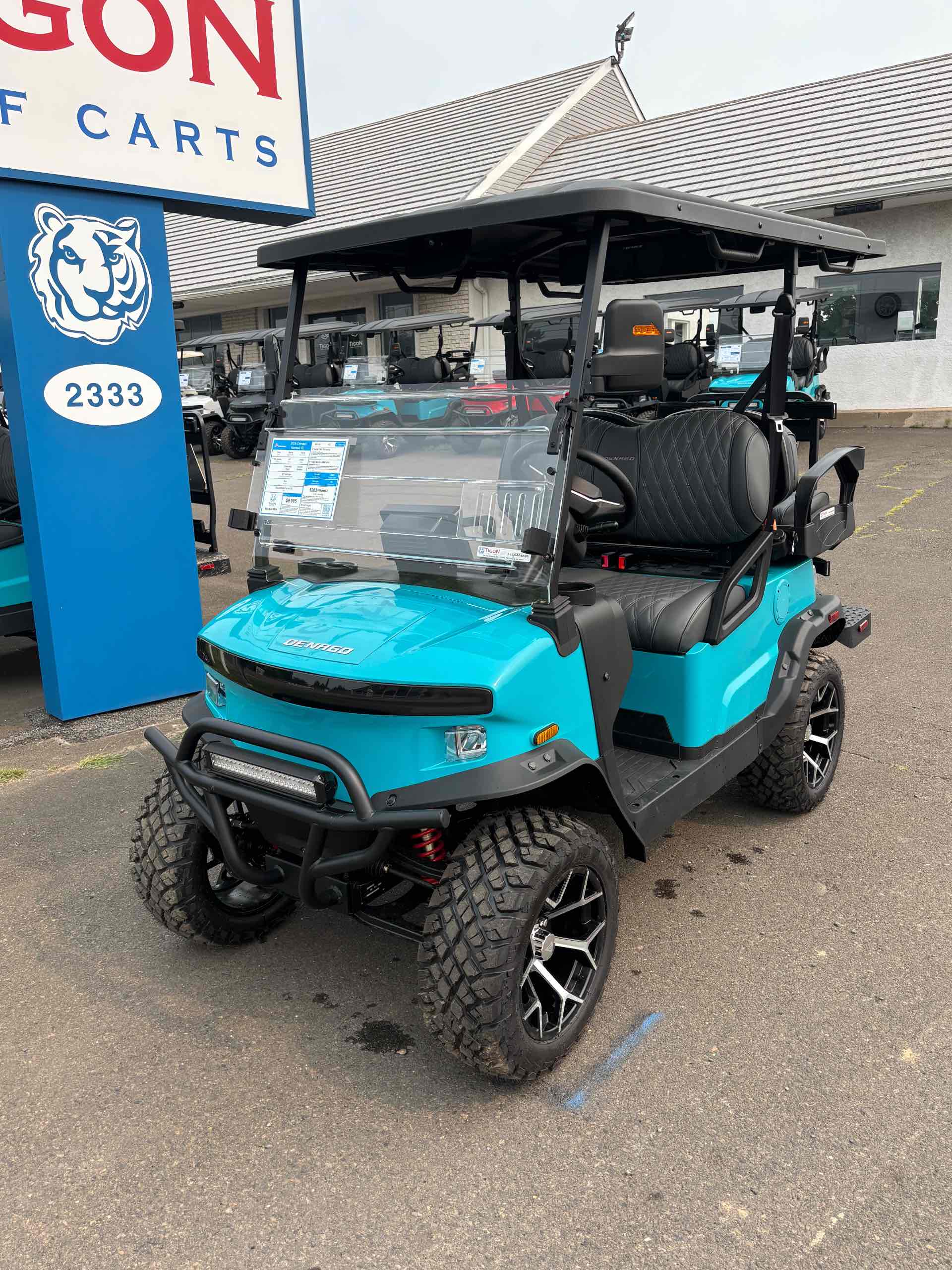
The best camping golf carts combine lifted suspension, all-terrain tires, extended-range lithium batteries, and cargo capacity for everything from RV park cruising to primitive backcountry access. A standard golf course cart is a poor campground companion — flat tires on rough terrain, limited range, no cargo, and often no lighting. A purpose-built camping golf cart addresses every one of those gaps.

What Makes a Golf Cart Good for Camping?

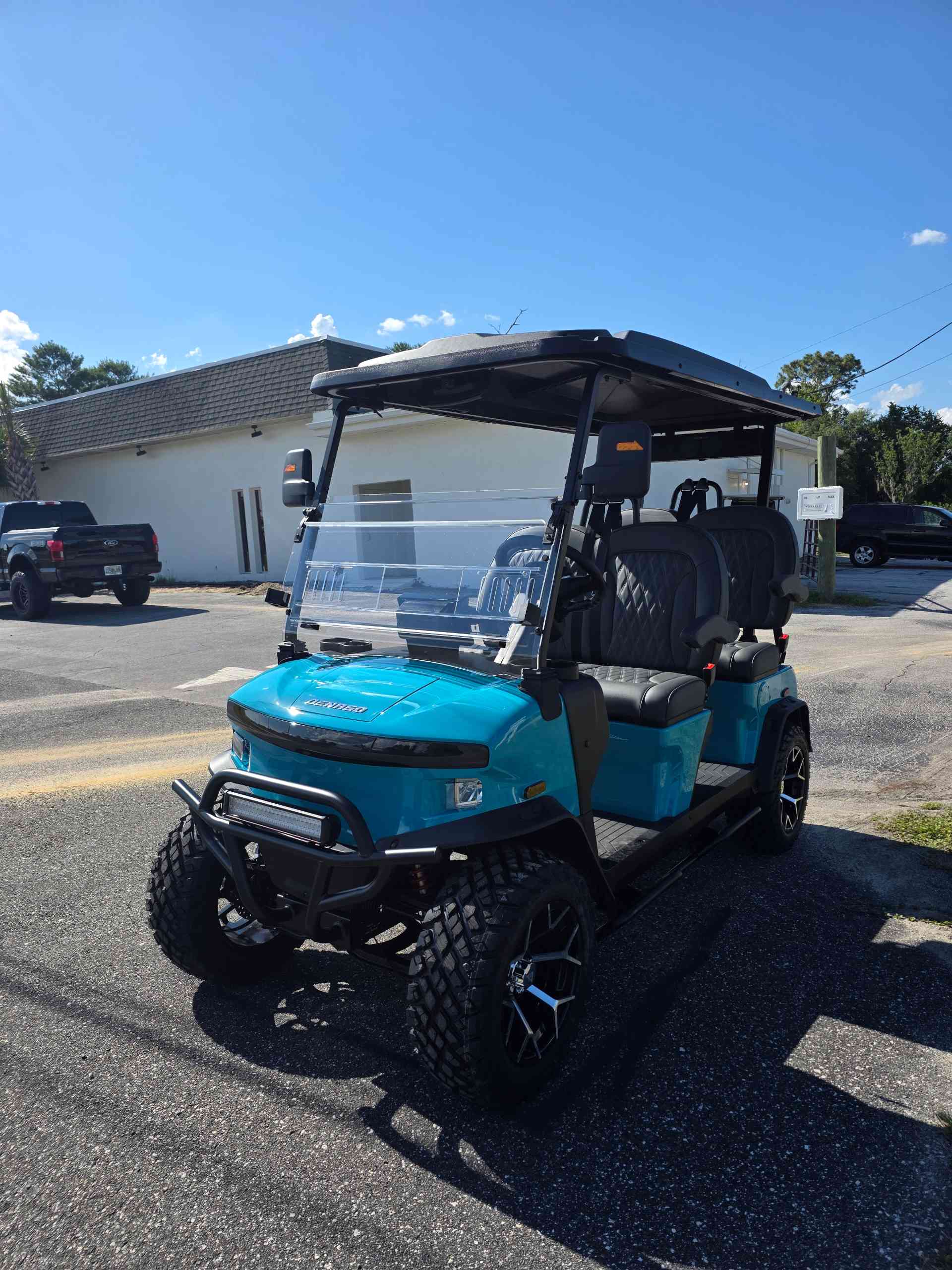
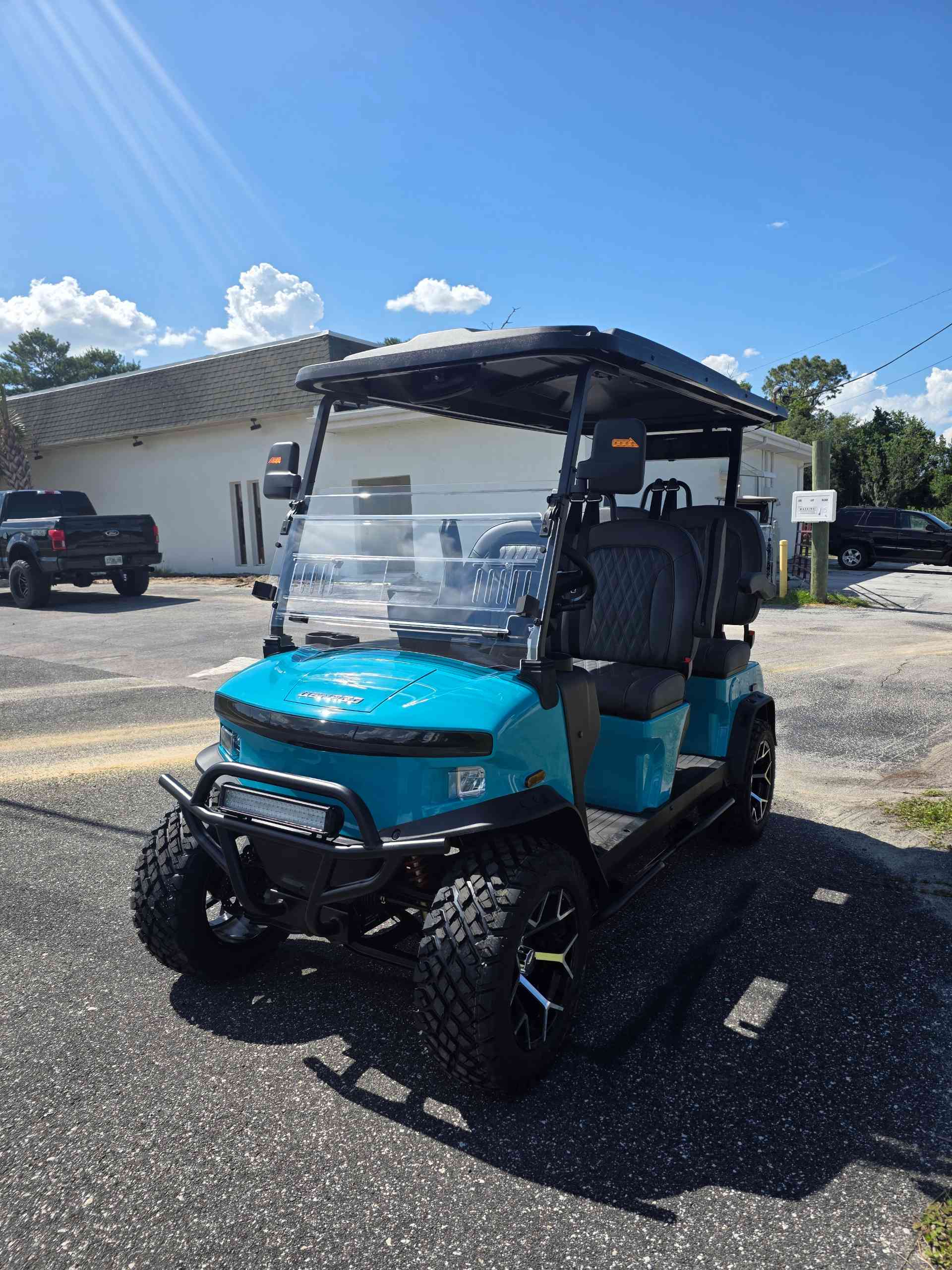
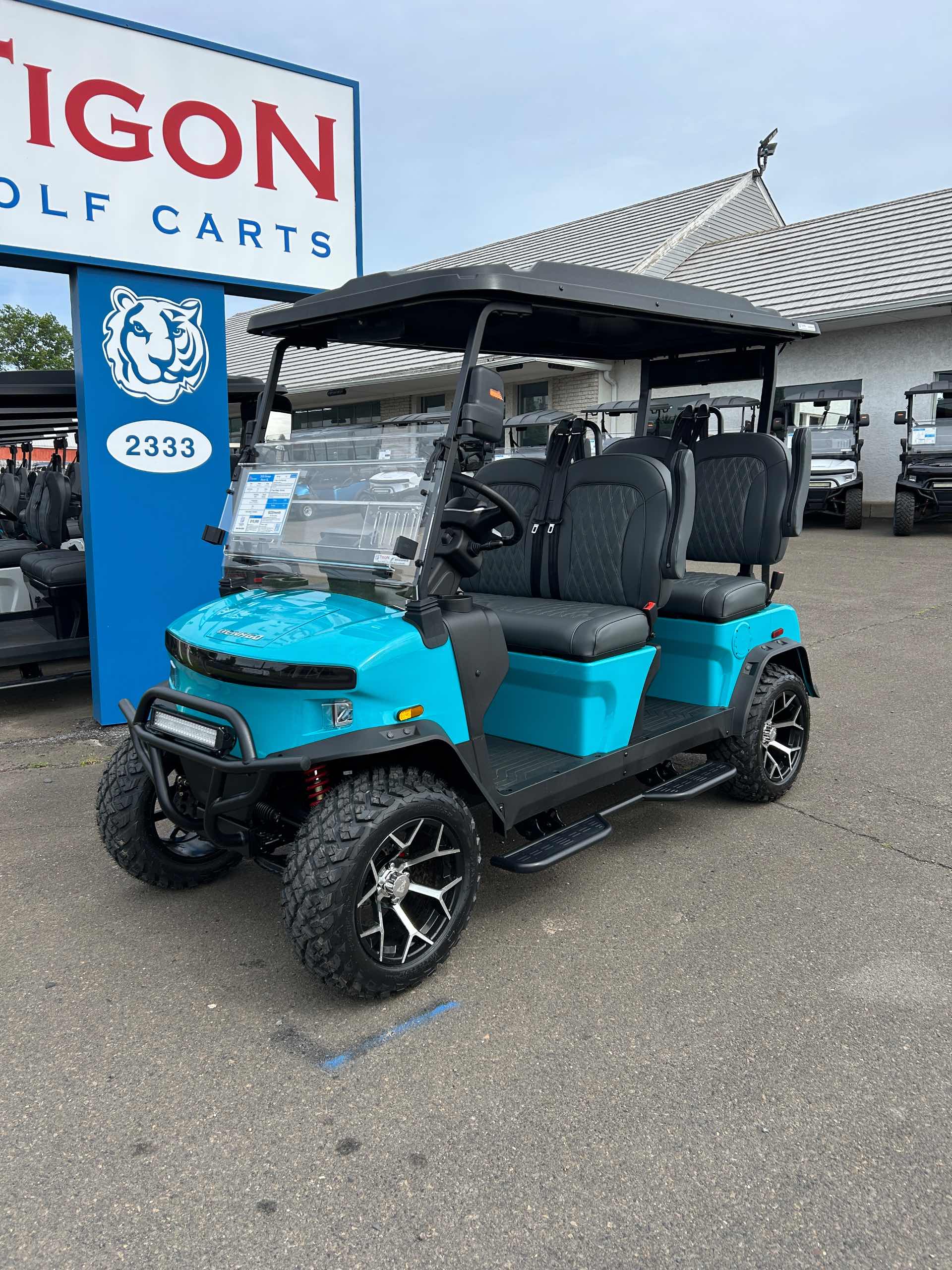
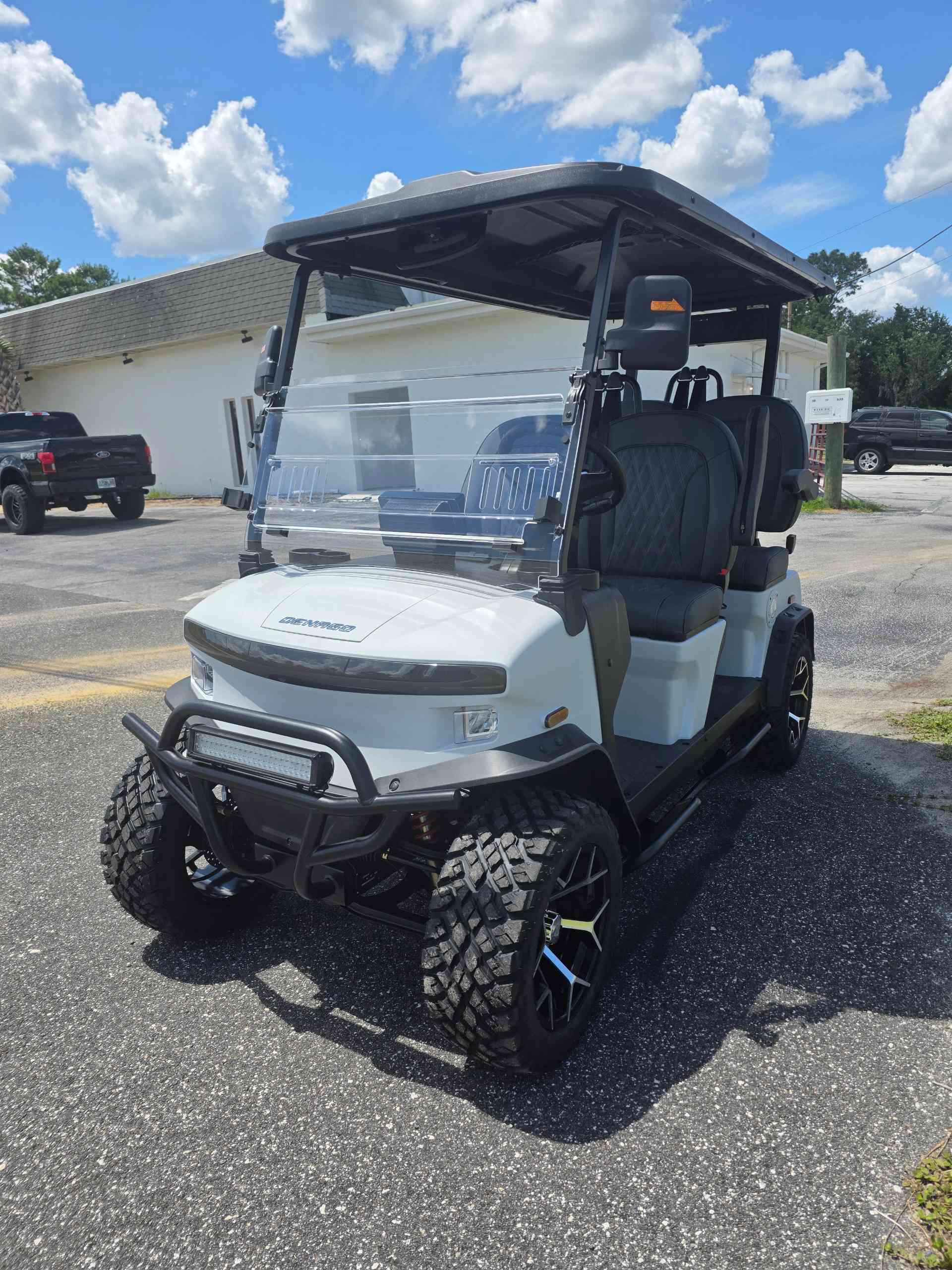
  • Lifted suspension (4–6 in.) — raises chassis clearance above roots, rocks, and uneven campground terrain
  • All-terrain or knobby tires — 22×11-10 to 25×10-12 inch AT tread for grip on grass, gravel, and dirt
  • Extended-range battery — 48V lithium (30–40 mi) or 72V lithium (40–60 mi) for all-day camp use
  • Roof and rear windshield — rain and sun protection; enclosure option for cool-weather camping
  • Cargo bed or rear utility box — haul firewood, coolers, camp chairs, water jugs, and supplies
  • Headlights, taillights, and horn — required at most campgrounds for after-dark operation
  • Solar panel compatibility — lithium packs accept trickle-charge solar input at primitive sites

Top Camping Golf Cart Models at TIGON

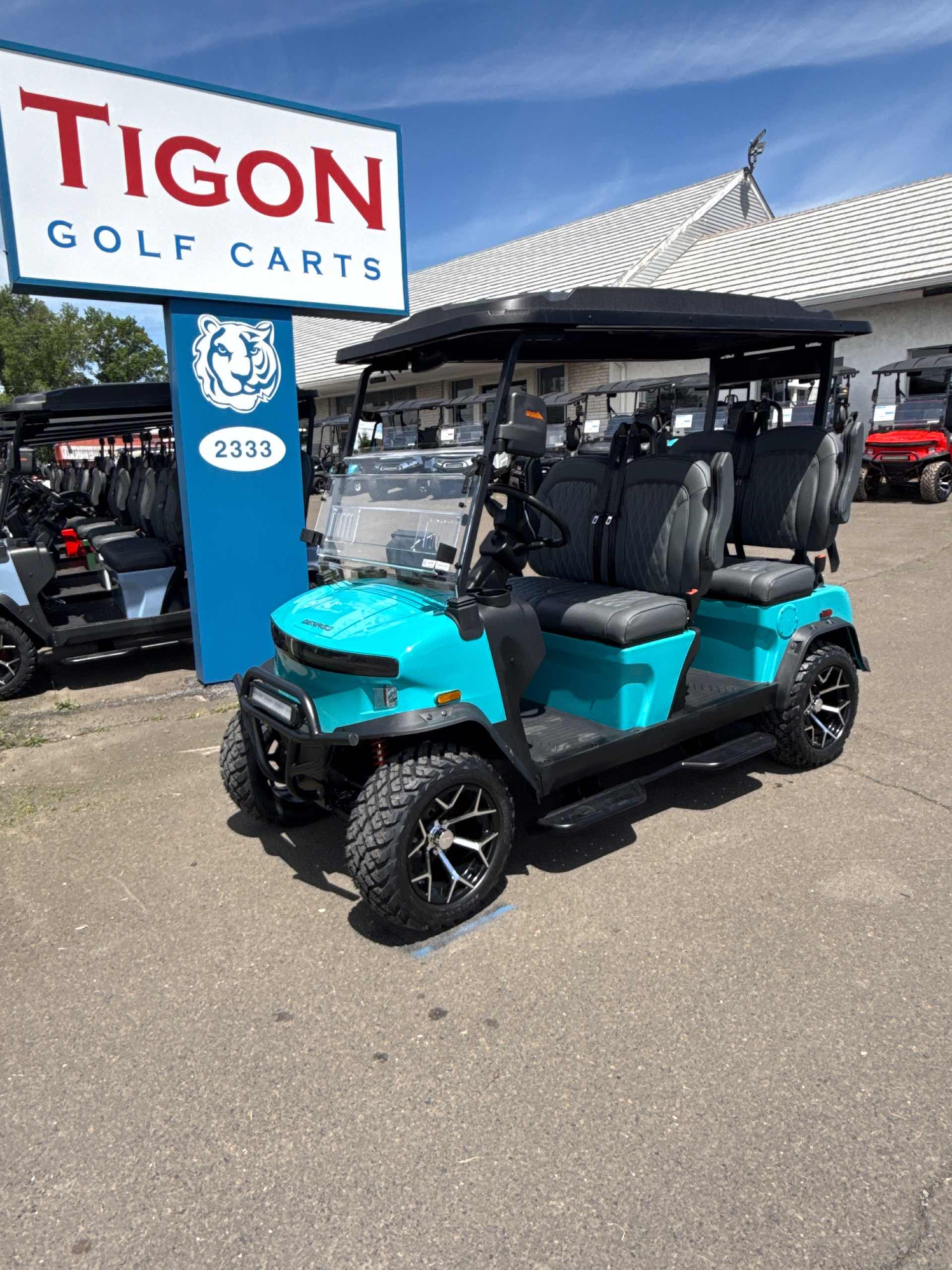
  • Denago EV4 / EV6 Lifted — factory-lifted with AT tires, 48V lithium, 4 or 6 passenger; most popular camping cart
  • Evolution D5 Ranger — factory 4-inch lift, 23-inch AT tires, 72V lithium, 40+ mile range
  • Atlas Onyx 4 / 6 / 8 — heavy-duty aluminum frame, factory lifted, up to 8 passengers
  • Denago Utility / Evolution Carrier — full cargo bed models for hauling and trail work
  • ICON i20 / i40 Lifted — affordable lifted 2- and 4-passenger 48V electric carts

Campground Golf Cart Rules — What to Know

  • Registration not required on private campground property — only public roads require registration
  • Driver's license usually not required on-site — minimum age (12–16) varies by facility
  • Speed limits: typically 5–15 mph on campground internal roads
  • Daylight-only on many sites unless equipped with functioning headlights and taillights
  • Gas golf carts restricted or prohibited at some campgrounds — electric preferred
  • Trail access varies — campground roads almost always permitted; hiking trails typically prohibited
  • Always call ahead to confirm rules before arrival — policies vary by facility, state, and season

Electric vs. Gas Golf Carts for Camping

Electric wins in most campground situations: silent operation (no engine noise during quiet hours), no fumes (permitted in all campground types), charges at any 120V RV hookup outlet, lower maintenance (no oil, spark plugs, or fuel system), and solar panel compatible for off-grid use. Gas golf carts offer unlimited range without hookups — the right choice for primitive sites with no electrical access and multi-day remote access needs.
Call Now — 1-844-844-6638 Apply Now — 0% Financing

Camping Golf Carts — Electric Models In Stock