New
New Golf Cart
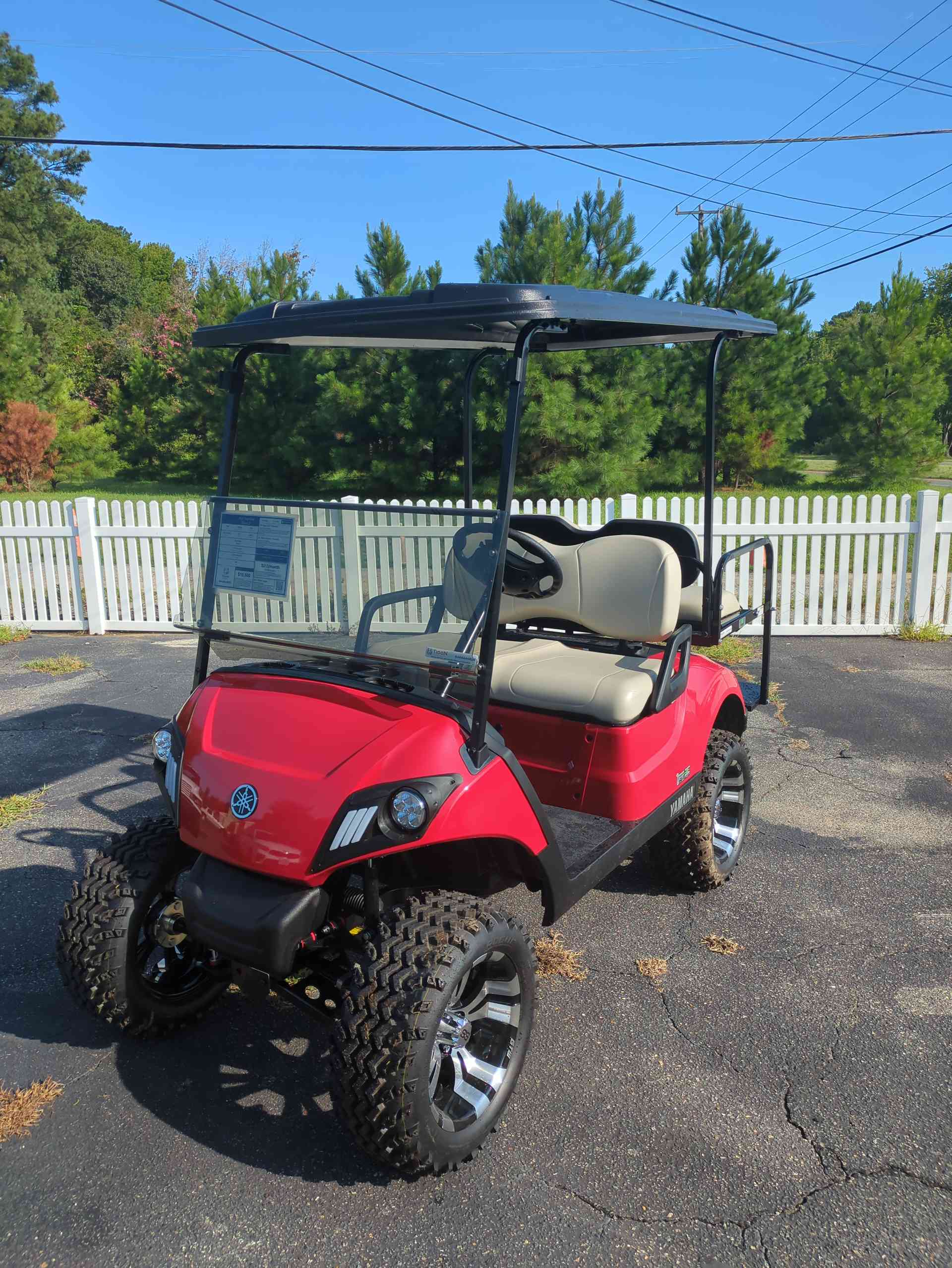
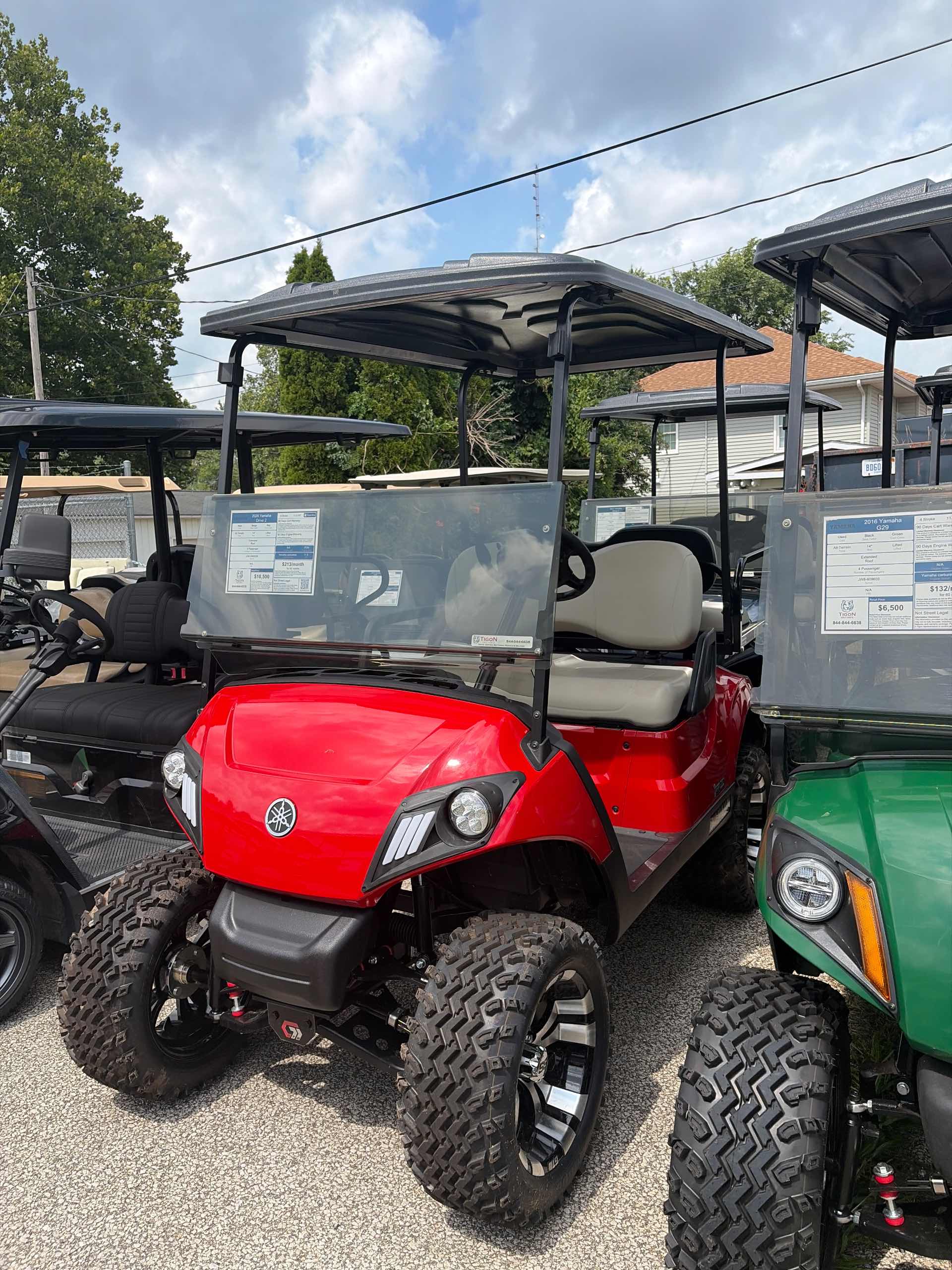
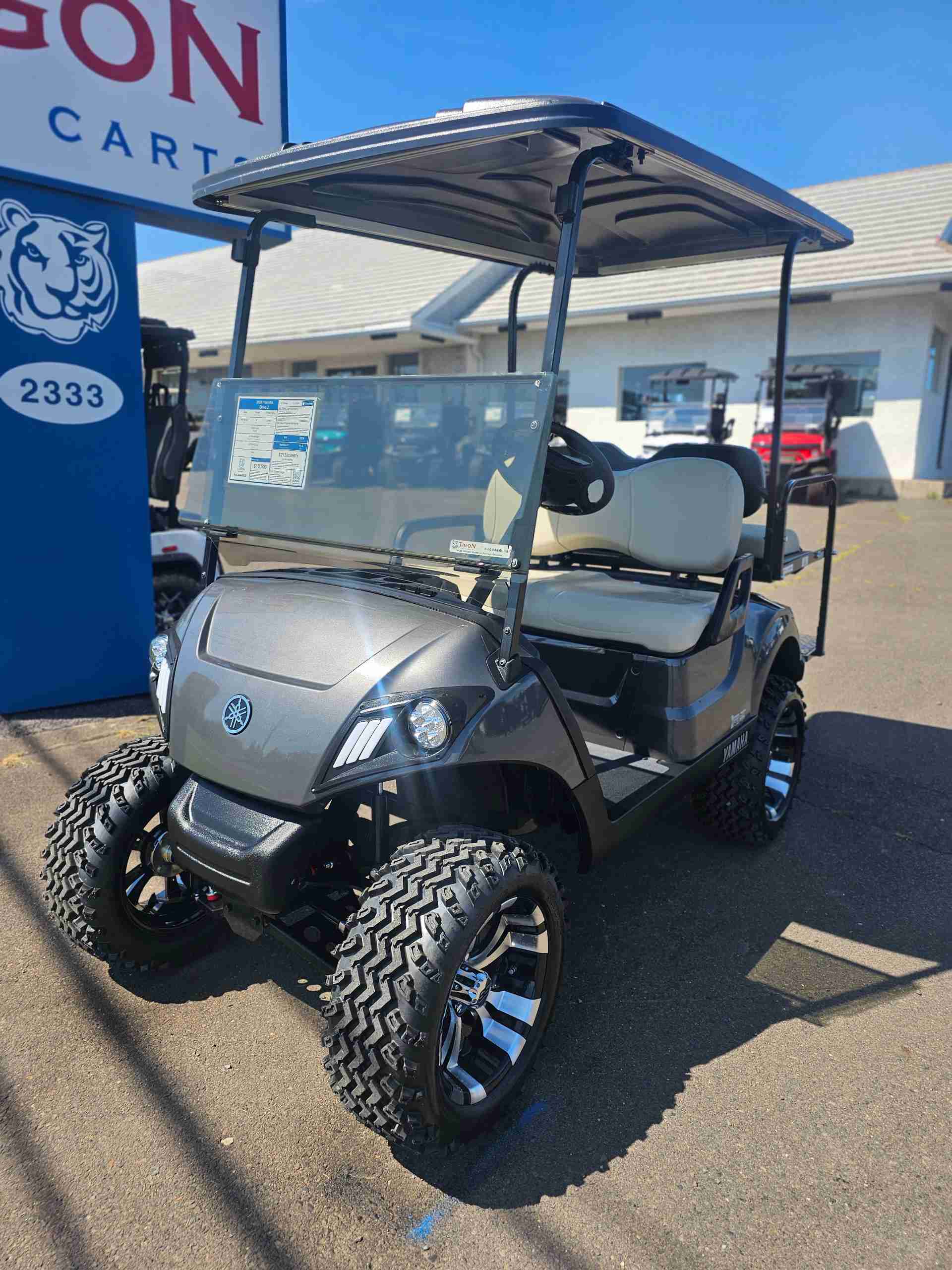
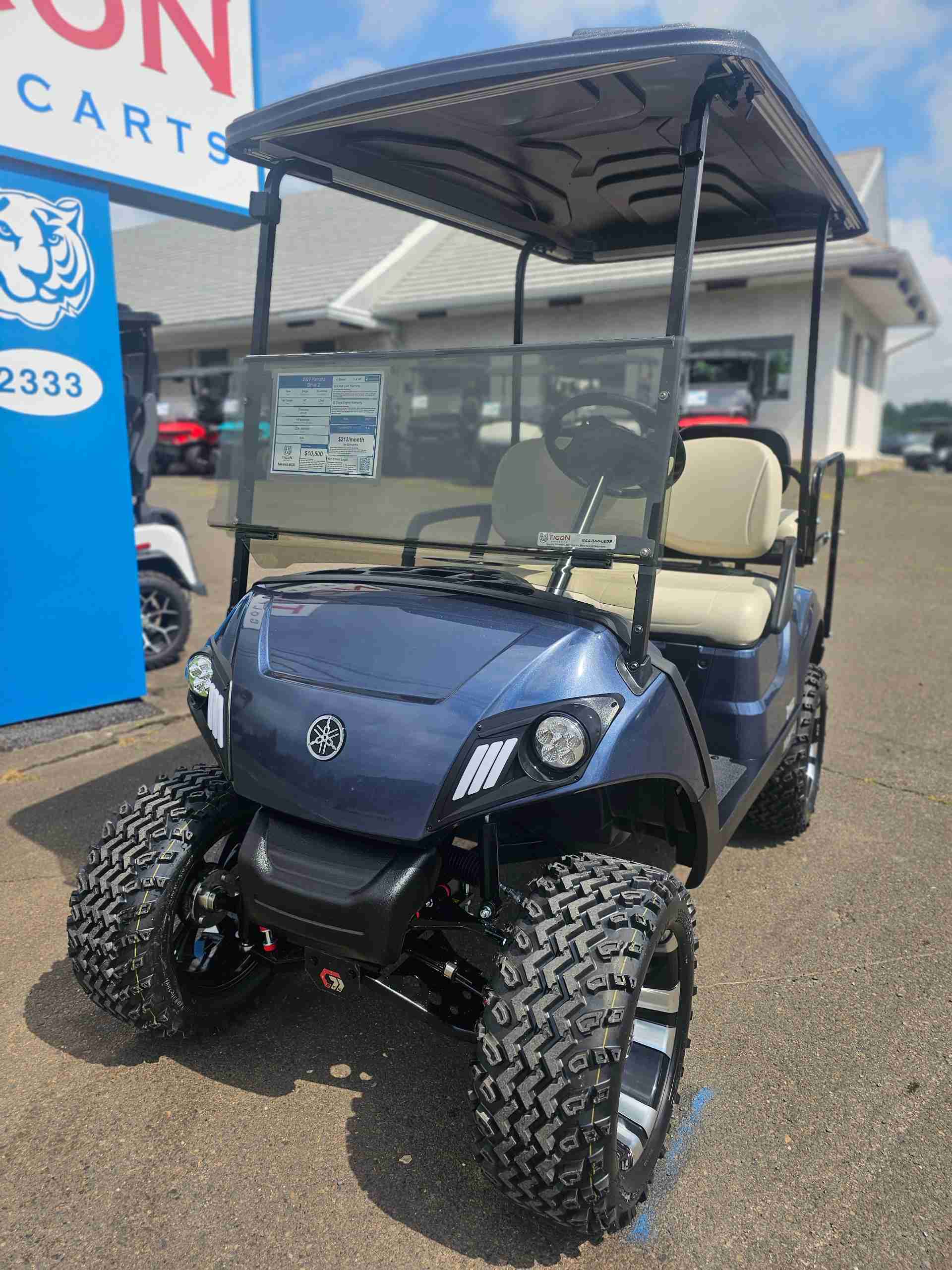
2027 Yamaha Drive 2 Golf Cart
Year: 2027 · Make: Yamaha · Model: Drive 2 · Color: Bluestone · Power: Gas
Vehicle Details
$10,500
TIGON Golf Carts carries an extensive inventory of new and used gas golf carts from top brands. Gas-powered carts run on a 300–420cc 4-stroke OHV engine, deliver 100–180 miles of range per 5–6 gallon tank, and refuel in about 5 minutes at any gas station — making them the preferred choice for full-size golf courses, farms, large properties, and commercial operations where recharging downtime isn't practical.
| Feature | Gas Golf Carts | Electric Golf Carts |
|---|---|---|
| Range | 100–180 miles per tank | 25–60 miles per charge |
| Refuel / Recharge | ~5 minutes at any gas station | 6–8 hours (standard charger) |
| Yearly Maintenance | $300–$600 (oil, filters, plugs) | $50–$150 (minimal moving parts) |
| Upfront Price | $7,000–$15,000+ | $6,500–$18,000+ |
| Noise Level | Moderate engine noise | Near silent |
| Emissions | CO₂ exhaust — outdoor use | Zero direct emissions |
| Best For | Large properties, farms, courses | Communities, resorts, quiet areas |
Gas wins when range, uptime, and pulling power matter more than silence. There's no charger to plan around — refuel in five minutes and keep working all day, which is why farms, hunting properties, large campuses, and commercial fleets keep choosing gas. Consistent torque holds up on hills and rough terrain even with a full load, and there's no battery pack to condition or replace over the cart's life — just stabilize the fuel if you store it longer than 30 days.
Gas golf cart annual maintenance typically runs $300–$600 covering oil changes, air filter, spark plug, fuel filter, belt inspection, and brake service. All gas cart service is available at TIGON's 15 dealership service centers.
New gas golf carts run $7,000–$15,000+ depending on brand, passenger capacity, and options, while inspected used gas carts typically sell 30–60% below new-cart pricing — and they're consistently among the fastest-moving units in TIGON inventory. 0% APR financing is available on qualifying models, with terms up to 84 months. Every cart in stock shows live pricing, so you can compare real numbers before you visit any of TIGON's 15 locations.
Compare against electric and street-legal pricing in the complete guide: how much are golf carts.
| Brand | Model | Engine | Price | Verdict |
|---|---|---|---|---|
| Club Car | Onward Gas | Kawasaki 400cc | From $11,599 | Best warranty + resale |
| Yamaha | Drive2 Gas EFI | Yamaha EFI 357cc | From $9,199 | Most reliable gas engine |
| EzGo | TXT Gas | Kawasaki 400cc | From $8,699 | Best value entry-level |
| DENAGO | Gas Utility 4P | Loncin 420cc OHV | From $8,995 | Best value 4-passenger |
Based on the gas models TIGON sells and services every day: the Yamaha Drive2 Gas EFI (from $9,199) is the best gas golf cart for golf courses thanks to the most reliable gas engine in the segment; the Club Car Onward Gas (from $11,599) is the best premium pick for neighborhood use with the strongest warranty and resale value; the EzGo TXT Gas (from $8,699) is the best value entry-level gas cart; and the DENAGO Gas Utility 4P (from $8,995) with its 420cc Loncin OHV engine is the best value for utility and work duty on farms and large properties.
View all gas golf carts in stock → — live pricing on every Club Car, Yamaha, EzGo, and DENAGO gas model, or read gas golf cart maintenance tips to keep your engine running its best.
Prefer electric? Compare electric golf carts → — 48V & 72V lithium, 40–60+ miles per charge, near-silent operation.
Gas carts deliver long range per tank, consistent power regardless of charge level, and quick refueling anywhere — making them ideal for full-size courses, farms, and large properties. Related: Compare electric golf carts
Range depends on the model and tank, but gas carts typically go much farther per fill-up than an electric cart goes per charge — a key reason they're popular for extended outdoor use. Related: Golf carts
Yes — gas engines hold power well on hills and under heavy loads, which is why they're favored on demanding terrain and for towing or hauling tasks. Related: Utility Task Vehicles
Yes — we stock new and pre-owned gas carts from trusted brands in 2- to 6-seat configurations, with photos and pricing updated daily. Related: New golf carts, Used golf carts
Yes — flexible financing with 0% APR on qualifying carts. Apply online in minutes or call 1-844-844-6638 for a quote. Related: Apply for financing
A gas cart can be road legal when equipped to Low-Speed Vehicle standards and registered, though many street-legal builds are electric. Ask us which gas models can qualify. Related: Street Legal Vehicles
Plan on an oil change every 50–125 hours of use depending on the manufacturer's schedule — and at least once a year even with light use. Pair it with an annual tune-up covering the air filter, spark plug, fuel filter, and belt inspection. All 15 TIGON service centers handle gas cart service. Related: Golf cart service
A well-maintained gas golf cart can last 20–30 years. The 4-stroke engines from Yamaha, Kawasaki (Club Car and EzGo), and other established builders are proven workhorses — regular oil changes and annual tune-ups are what keep them running, which is why service history matters so much when buying used. Related: Buying a used golf cart
Regular 87-octane unleaded gasoline — the same fuel as your car — in a 5–6 gallon tank on most models. No premium fuel is required. If the cart will sit unused for more than 30 days, add fuel stabilizer to protect the carburetor or fuel system. Related: Gas golf carts
Not usually. Stock gas carts top out around 12–19 mph, similar to standard electric carts — and street-legal electric LSVs reach 25 mph. Where gas wins is sustained power: the engine holds consistent torque on hills and under heavy loads all day, with no drop-off as a battery drains. Related: Electric golf carts
Budget $300–$600 per year for a gas cart — oil changes, air filter, spark plug, fuel filter, belt inspection, and brake service. That's more than an electric cart's $50–$150, but gas carts never need a battery pack replacement, which offsets the difference over the cart's life. Related: Service at TIGON
The main rule: stabilize the fuel if the cart will sit longer than 30 days — untreated gas gums up carburetors, the most common off-season repair. For winter storage, add stabilizer, run the engine briefly to circulate it, top off the tank, and store the cart out of the weather. Related: Golf cart service