
How to Turn Your Golf Cart Into a Neighborhood Cruiser
Golf carts aren’t just for the greens anymore! Many communities, especially those with low-speed roads, are seeing a surge in golf carts as convenient and fun alternatives to cars for short trips. Transforming your standard golf cart into a “neighborhood cruiser” is a popular and achievable goal, but it involves more than just adding some cool accessories.
Here’s how to turn your golf cart into a fully functional and legally compliant neighborhood cruiser:
1. Understand the “Street Legal” Requirements (LSV Conversion)
This is the most critical first step, as regulations vary significantly by state and even by local municipality (city/county). What makes a golf cart “street legal” often means converting it into a Low-Speed Vehicle (LSV).
Common LSV Requirements (Check Your Local Laws!):
- Speed: Must have a minimum speed of 20 mph and a maximum speed of 25 mph. If your cart goes faster, you might need a speed governor. If it’s too slow, you might need performance upgrades (motor/controller).
- Lights:
- Headlights (with high/low beam)
- Taillights
- Brake Lights (stop lamps)
- Front and Rear Turn Signals
- Red Reflex Reflectors (one on each side at the rear, one on the rear)
- Mirrors:
- An exterior mirror on the driver’s side.
- Either an exterior mirror on the passenger’s side OR an interior rearview mirror.
- Safety Features:
- Horn (audible from a certain distance)
- Seat Belts (one for each designated seating position)
- Windshield (DOT-approved safety glass is often required)
- Windshield Wiper (if a windshield is required)
- Parking Brake
- “Growler” or Pedestrian Alert System: Many modern electric carts (like those from EVolution, ICON, Denago, etc.) come with this. If your electric cart is silent, you may need to add a low-speed acoustic alert system to comply with laws designed to protect pedestrians.
- Tires: DOT-approved tires (look for “DOT” stamp on the sidewall).
- VIN (Vehicle Identification Number): LSVs typically require a 17-digit VIN for registration purposes. Standard golf carts usually don’t have this from the factory, so you might need to apply for one if converting an older model.
- Registration, Title & Insurance: Most states require LSVs to be titled, registered, and insured (with liability coverage at a minimum) when used on public roads.
- Driver’s License: A valid driver’s license is almost always required to operate an LSV on public roads, regardless of age.
- Road Restrictions: LSVs are generally only allowed on roads with posted speed limits of 35 mph or less (sometimes 25 mph or less, depending on the state/municipality). They are usually prohibited on highways.
Action Item: Before buying any parts, contact your local DMV, city hall, or HOA to get a definitive list of requirements for your specific area. This step cannot be skipped!
2. Essential Upgrades for Street Legality & Safety
Once you know the rules, it’s time to equip your cart. Many aftermarket “street legal kits” bundle most of these items for popular golf cart models.
- Lighting Kit: Install comprehensive LED headlights, taillights, brake lights, and turn signals. Opt for bright, durable LEDs for better visibility and lower power draw.
- Mirrors: Add a good five-panel rearview mirror for wide visibility, and durable side mirrors.
- Seatbelts: Install a lap belt or, preferably, a 3-point retractable seatbelt for every seating position, including any rear flip seats.
- Windshield & Wiper: Choose a clear, impact-resistant windshield (often foldable for versatility) and, if required, add a functioning electric windshield wiper kit.
- Horn Kit: A simple, loud horn is essential for alerting pedestrians and other vehicles.
- Speed Controller/Motor Upgrade (if needed): If your cart doesn’t meet the 20-25 mph LSV speed requirement, you may need to adjust your controller or upgrade to a more powerful motor (especially for electric carts) or make engine adjustments (for gas carts). If it goes too fast, you might need a speed governor.
3. Comfort & Convenience Enhancements for Cruising
Now that it’s legal, make it enjoyable for neighborhood outings.
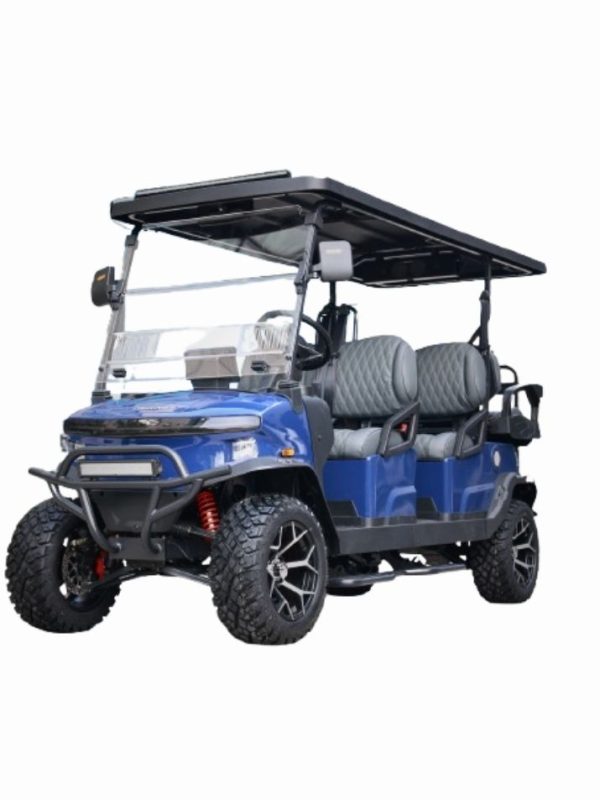
- Premium Seating: Upgrade to contoured, comfortable, marine-grade vinyl seats. Two-tone designs or diamond stitching can add a touch of luxury.
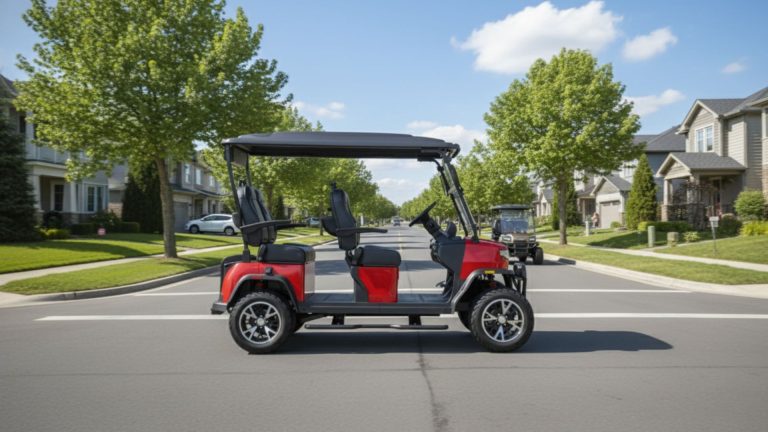
- Rear Flip Seat: If you only have two seats, a rear flip seat quickly converts from passenger seating to a flat cargo bed – perfect for groceries, beach gear, or a cooler.
- Extended Roof: Provides more shade and rain protection for all passengers.
- Bluetooth Sound System: An integrated sound bar or marine-grade speakers let you enjoy music on the go. Many new carts from EVolution, ICON, and EPIC come with impressive factory systems.
- USB Charging Ports: Keep phones and devices charged for navigation, music, or emergencies.
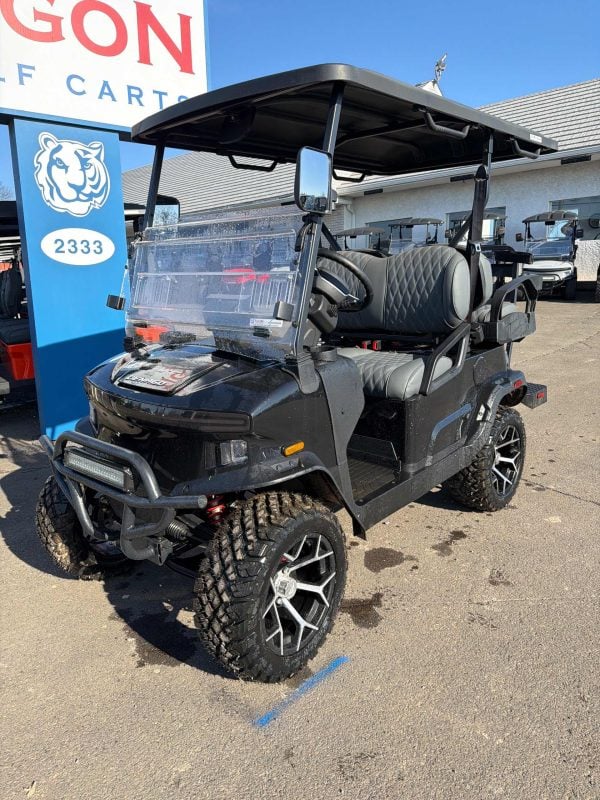
- Custom Wheels & Street Tires: Beyond just looking good, street-specific tires offer a smoother, quieter ride on pavement and better handling compared to knobby golf course tires. A slightly larger wheel (e.g., 10-inch or 12-inch) can also subtly raise the cart for better visibility and a more substantial look.
- Storage Solutions: Add a lockable glove box, under-seat storage bins, or a roof rack for extra carrying capacity.
4. Style & Personalization (Optional, but Fun!)
Make your neighborhood cruiser truly yours.
- Custom Paint Job or Vinyl Wrap: Express your personality with a unique color, a matte finish, or a custom graphic wrap.
- LED Accent Lighting: Underglow lighting, interior cabin lights, or illuminated cup holders add a cool factor for evening cruises.
- Custom Steering Wheel: A comfortable, stylish steering wheel can significantly enhance the driving experience.
- Fender Flares: If you add wider wheels, fender flares can complete the look and prevent splashes.
5. Final Steps & Ongoing Care
- Inspection & Certification: Once all modifications are done, schedule any required inspections with your local city or state authorities to get your LSV certification sticker.
- Driver Orientation: Ensure anyone who drives the cart understands all the new controls, its performance characteristics, and all local traffic laws.
- Regular Maintenance: Follow a diligent maintenance schedule for your golf cart (as outlined in our “How to Maintain Your Golf Cart Like a Pro” guide!). Keep tires properly inflated, brakes in good working order, and batteries charged (for electric carts) or fuel system healthy (for gas carts).
Turning your golf cart into a neighborhood cruiser is a fantastic way to enjoy your community. By focusing on legal compliance, safety, and then personal style, you’ll create a functional, fun, and head-turning ride.
Ready to start your golf cart’s transformation? Visit TIGON Golf Carts to find everything you need to build the ultimate neighborhood cruiser!