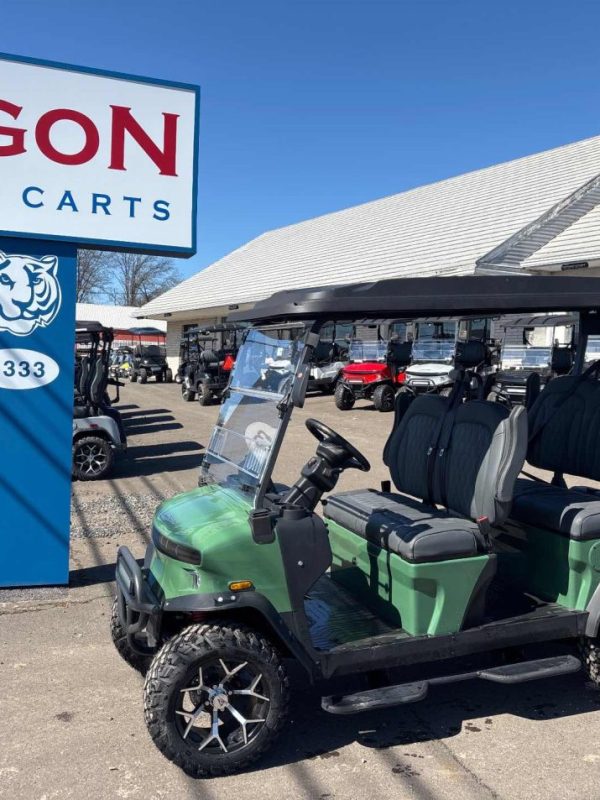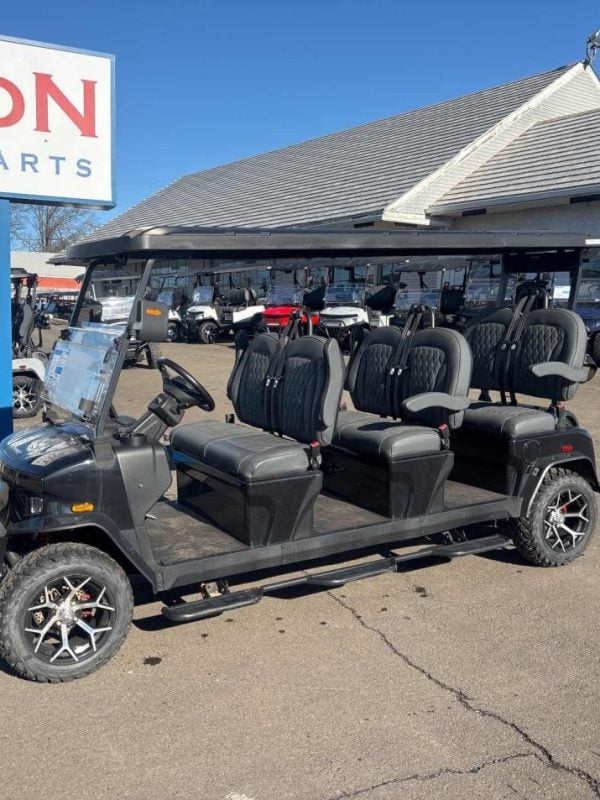

Industrial and Utility Golf Carts: Features and Benefits for Work Use
Industrial and utility golf carts have revolutionized workplace efficiency across numerous industries, transforming from simple recreational vehicles into sophisticated work tools. These purpose-built machines offer unmatched versatility, cost-effectiveness, and environmental benefits that make them indispensable for modern business operations. Whether you’re managing a large warehouse, maintaining expansive grounds, or coordinating complex events, understanding the capabilities and advantages of industrial golf carts is essential for optimizing your operations.
Understanding Industrial and Utility Golf Carts
Industrial and utility golf carts represent a specialized category of vehicles designed specifically for commercial and industrial applications. Unlike their recreational counterparts, these robust machines are engineered to handle demanding work environments, heavy payloads, and continuous operation. The evolution from basic golf course transportation to sophisticated utility vehicles reflects the growing recognition of their potential in professional settings.
The fundamental difference between recreational and industrial golf carts lies in their construction philosophy. Industrial models prioritize durability, functionality, and safety over aesthetics, resulting in vehicles that can withstand harsh conditions while maintaining consistent performance. This focus on utility has led to innovations in chassis design, power systems, and accessory integration that make modern industrial golf carts remarkably capable work tools.
Features of Industrial and Utility Golf Carts
- Durability: Built to withstand rugged terrain and heavy use, these carts are constructed with durable materials such as steel frames and reinforced bodies to ensure longevity and reliability in demanding work conditions.
- Payload Capacity: Industrial carts have a high payload capacity, ranging from 800 to 3000 pounds or more, allowing them to transport heavy loads efficiently.
- Customization Options: They offer a wide range of customization options to suit specific work needs, including flatbeds, cargo boxes, tool racks, and towing capabilities, making them adaptable to a variety of tasks and industries.
- Safety Features: Equipped with safety features such as headlights, taillights, turn signals, and seat belts to ensure the safety of operators and bystanders, especially in low-light conditions or busy work environments.
- Electric or Gas-Powered: They are available in both electric and gas-powered models, providing flexibility in choosing the right power source for the job, with electric models offering quiet operation, zero emissions, and lower operating costs.
Advanced Engineering and Construction
The engineering behind industrial golf carts involves sophisticated design considerations that extend far beyond basic transportation. Heavy-duty suspension systems incorporate commercial-grade shock absorbers and reinforced mounting points to handle constant loading and unloading cycles. The chassis construction typically features high-strength steel tubing with strategic reinforcement points that distribute stress evenly across the frame.
Powertrain engineering in industrial golf carts focuses on torque delivery and reliability rather than speed. Electric models feature high-torque motors with advanced controllers that provide smooth acceleration and precise speed control, essential for safe operation in crowded work environments. Gas-powered variants utilize commercial-grade engines with enhanced cooling systems and heavy-duty transmissions designed for continuous operation.
Ergonomic Design and Operator Comfort
Industrial golf cart design prioritizes operator comfort and efficiency through ergonomic considerations that reduce fatigue during extended use. Adjustable seating positions, intuitive control layouts, and optimized visibility ensure that operators can work effectively throughout long shifts. Climate considerations include weather protection options, heating and cooling systems, and ergonomic steering that reduces operator strain.
Safety ergonomics play a crucial role in industrial golf cart design, with features like low step-in heights, secure handholds, and intuitive control placement that minimize the risk of operator injury. These design elements contribute significantly to workplace safety while enhancing overall productivity.
Industrial Golf Cart Comparison Table
| Feature Category | Electric Models | Gas-Powered Models | Benefits |
|---|---|---|---|
| Power Source | 48V-72V Battery Systems | 13-23 HP Gas Engines | Flexible power options for different applications |
| Operating Range | 40-60 miles per charge | 100+ miles per tank | Extended operation capabilities |
| Payload Capacity | 800-2,500 lbs | 1,200-3,000 lbs | Heavy-duty hauling capabilities |
| Operating Cost | $0.02-0.04 per mile | $0.08-0.12 per mile | Significant long-term savings |
| Maintenance | Minimal – battery service mainly | Regular oil changes, tune-ups | Reduced downtime and service costs |
| Noise Level | Nearly silent operation | Moderate engine noise | Improved work environment |
| Environmental Impact | Zero direct emissions | Standard combustion emissions | Environmental compliance and sustainability |
Benefits of Industrial and Utility Golf Carts
- Increased Efficiency: These carts streamline operations by transporting materials and equipment quickly and efficiently, reducing the time and effort required for manual handling.
- Cost-Effectiveness: They are a cost-effective alternative to traditional vehicles, with lower fuel and maintenance costs, helping businesses save money in the long run.
- Environmentally Friendly: Electric models produce zero emissions, promoting a greener work environment and reducing the carbon footprint of businesses.
- Versatility: They can be used in a variety of industries, including manufacturing, warehousing, hospitality, and agriculture, providing a versatile solution for different work environments and tasks.
- Improved Workplace Safety: By reducing the need for manual handling of materials, these carts help prevent injuries and promote a safer work environment, enhancing overall workplace safety.
Operational Efficiency and Productivity Gains
The implementation of industrial golf carts in workplace settings typically results in measurable productivity improvements that extend beyond simple transportation. Time-motion studies consistently show that workers equipped with utility golf carts can complete material handling tasks 40-60% faster than manual methods. This efficiency gain compounds throughout the workday, resulting in significant productivity improvements that justify the initial investment.
Material handling efficiency improvements stem from the carts’ ability to transport larger quantities in single trips, reducing the number of journeys required for complex tasks. The ergonomic benefits of cart-based material handling also reduce worker fatigue, maintaining consistent productivity levels throughout extended shifts.
Return on Investment Analysis
Financial analysis of industrial golf cart implementation reveals compelling return on investment scenarios across various industries. The combination of reduced labor costs, improved productivity, and lower operating expenses compared to traditional vehicles typically results in payback periods of 12-24 months. Long-term cost benefits include reduced worker compensation claims due to improved safety, lower fuel and maintenance costs, and extended equipment life cycles.
Operational cost analysis shows that electric industrial golf carts provide the most favorable economics for applications involving frequent short trips, while gas-powered models offer advantages for long-range or continuous-duty applications. Understanding these economic factors is crucial for selecting the optimal solution for specific operational requirements.
Environmental Impact and Sustainability Benefits
The environmental advantages of industrial golf carts extend beyond simple emission reductions, encompassing broader sustainability considerations that align with corporate environmental goals. Electric models contribute to improved indoor air quality in warehouse and manufacturing environments, while their quiet operation reduces noise pollution that can affect both workers and surrounding communities.
Lifecycle environmental analysis reveals that the manufacturing and disposal impact of golf carts is significantly lower than traditional commercial vehicles, contributing to overall environmental stewardship. The modular design of many components also supports sustainable practices through refurbishment and recycling programs.
Industry-Specific Applications
Manufacturing and Warehousing
Manufacturing facilities utilize industrial golf carts for just-in-time material delivery, quality control inspections, and maintenance operations. The ability to navigate narrow aisles while carrying substantial loads makes them ideal for modern lean manufacturing environments. Warehouse applications include order picking, inventory management, and cross-docking operations where speed and maneuverability are essential.
Healthcare and Hospital Systems
Healthcare facilities employ specialized utility golf carts for patient transport, medical equipment delivery, and facility maintenance. The quiet operation of electric models is particularly valuable in healthcare environments where noise reduction is essential for patient comfort and recovery.
Educational Institutions
Universities and large school districts use industrial golf carts for campus maintenance, security patrols, and special event management. The versatility of these vehicles makes them valuable for groundskeeping, facility maintenance, and emergency response applications across expansive campus environments.
Hospitality and Tourism
Hotels, resorts, and entertainment venues rely on industrial golf carts for guest services, maintenance operations, and event management. The professional appearance and quiet operation of these vehicles enhance the guest experience while providing essential operational capabilities.
Statistics of Golf Carts in the Workplace
According to a study by the Electric Power Research Institute (EPRI), electric golf carts can save businesses up to $0.03 per mile compared to traditional gas-powered vehicles. This translates to significant savings over the lifetime of the vehicle.
The use of golf carts in industrial and commercial settings is growing steadily. According to a report by Research and Markets, the global golf cart market is projected to reach $2.8 billion by 2025, with a compound annual growth rate (CAGR) of 7.2% from 2020 to 2025.
Market Trends and Growth Projections
Industry analysis reveals that the commercial golf cart segment is experiencing accelerated growth driven by increasing recognition of their operational benefits and environmental advantages. The shift toward sustainable business practices is particularly driving adoption of electric models, with some industries reporting 80% of new purchases being electric variants.
Technological advancement trends include integration of telematics systems, GPS tracking, and fleet management software that enhance operational oversight and maintenance scheduling. These smart vehicle technologies are expanding the value proposition of industrial golf carts beyond basic transportation to comprehensive fleet management solutions.
Selection Criteria and Implementation Considerations
Selecting the appropriate industrial golf cart requires careful evaluation of specific operational requirements, environmental conditions, and long-term cost considerations. Key factors include payload requirements, operating range, terrain challenges, and integration with existing workflows. Understanding these variables ensures optimal vehicle selection that maximizes return on investment while meeting operational objectives.
Implementation success depends on proper training programs, maintenance scheduling, and integration with existing safety protocols. Organizations that invest in comprehensive implementation planning typically achieve faster adoption and better long-term results from their industrial golf cart investments.
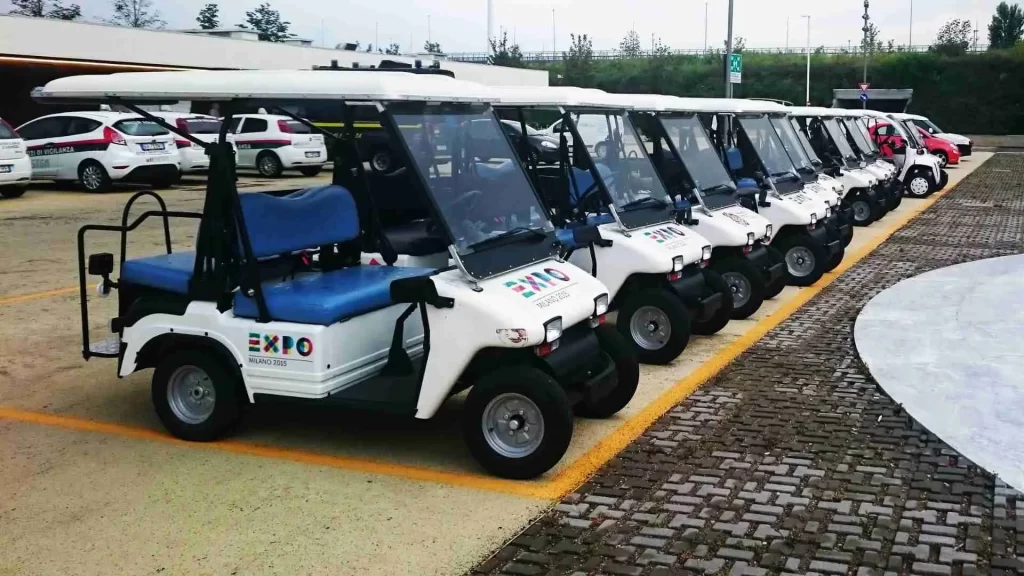
Industrial and utility golf carts represent a smart investment for businesses seeking to improve operational efficiency, reduce costs, and enhance workplace safety. Their combination of durability, versatility, and cost-effectiveness makes them valuable assets across numerous industries and applications. As technology continues to advance and environmental considerations become increasingly important, the role of industrial golf carts in modern business operations will only continue to grow.